
Time Management Skills in Forex Trading for Beginners Using Instant Funding
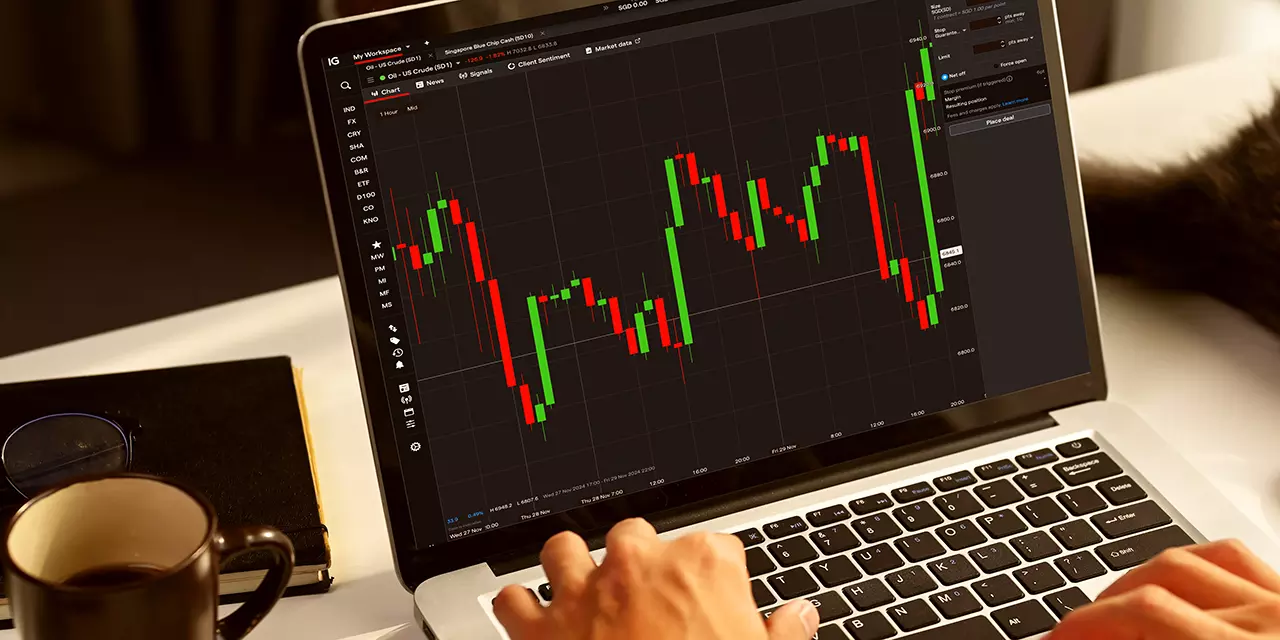
Time management remains an essential yet neglected ability which new forex traders require to achieve long-term trading success. Many new traders believe that their trading success relies exclusively on their chosen strategy and their indicators and market expertise. The failure of a trading system occurs because of improper time management which affects all trading systems. The presence of instant funding requires traders to control their trading time because they need to adhere to predefined rules while preventing themselves from trading based on emotions. Your capacity to concentrate better on your work habits and your trading outcomes will improve through your acquisition of effective time management abilities.
Why Time Management Matters in Forex Trading
The forex market operates 24 hours a day, five days a week. This flexibility is attractive, especially in forex trading for beginners, because traders can participate at different times depending on their schedule. The situation creates problems when people use services that operate throughout the entire day because it results in:
- Overtrading.
- Emotional fatigue.
- Poor decision-making.
- Inconsistent performance.
Traders using instant funding must achieve profit goals while staying within their designated daily loss limits. The absence of time management systems leads beginners to execute trades without thinking while they attempt to achieve their targets through excessive trading activities which results in them losing more money.
Establishing a Nonchanging Trading Routine
The selection of specific trading hours stands as a crucial time management ability which all traders must develop. Not every session is equally active or suitable for every strategy.
The forex market has three major sessions:
- Asian session.
- London session.
- New York session.
Beginners in forex trading should choose between two trading sessions because it better matches their trading style and daily schedule. Day traders usually choose to trade during the London or New York session because those times bring higher levels of market activity. Instant funding requires traders to maintain their trading patterns because they will lose their funding if they stop trading. Trading during a fixed schedule reduces impulsive decisions and improves performance tracking.
The establishment of a daily trading routine
Successful traders follow a routine. Beginners remain on track through implementation of a structured daily plan which helps them maintain discipline while preventing time waste.
A simple daily routine may include:
1. Market analysis (30–60 minutes):
Review economic news, analyze charts, and identify key support and resistance levels.
2. Trade Planning:
Set potential entry, stop-loss, and take-profit levels before placing trades.
3. Execution Window:
Execute trades only during your predefined session. Avoid random entries outside your plan.
4. Review and Journal:
Record your trading results to analyze your performance after you complete trading.
The daily routine for beginners in forex trading establishes confidence while reducing their tendency to trade based on emotions. The instant funding process requires a routine to be established because it helps users to follow all account regulations.
Preventing Excessive Trading
Time management suffers when beginners make their greatest mistake by engaging in excessive trading. Chart watching leads to excessive trading because it creates the need to execute trades without cause.
Overtrading happens in situations when:
- Traders lose money and seek to recover it immediately.
- They need something to do because they are feeling bored.
- They intend to follow every minor price fluctuation.
Overtrading through immediate funding increases the chance of exceeding daily loss boundaries. The establishment of a daily trading limit should follow specific rules. Your discipline and capital protection will improve when you restrict yourself to two or three premium trading setups.
Balancing Trading with Personal Life
The practice of time management needs to achieve equilibrium between studying charts and managing time. Many beginners spend excessive hours studying or monitoring trades, leading to stress and burnout.
To avoid this:
- Set clear trading hours.
- Take breaks between sessions.
- Avoid checking trades constantly.
- Maintain healthy sleep patterns.
The process of instant funding requires mental clarity to function properly. When traders experience fatigue they tend to break rules through impulsive behavior. The process of proper rest and balance offers benefits for developing better focus and maintaining consistent performance.
Using Technology to Save Time
Modern trading platforms offer efficient tools which enable users to accomplish their work within shorter time frames.
Beginners can use:
- Price alerts.
- Automated stop-loss and take-profit orders.
- Economic calendars.
- Trading journals.
Traders can create alerts for specific price levels which eliminates their need to monitor charts throughout the entire day. The forex trading process becomes simpler for beginners because screen fatigue usually occurs during this time. The instant funding process uses automated systems to prevent human errors while maintaining precise compliance with risk management rules.
Managing Long-Term Goals
The time management process extends into the domain of developing long-term strategic plans. Many beginners expect quick success and rush their progress. Trading skills develop through practice which requires time for mastery.
Establish realistic objectives through the following metrics:
- Monthly percentage growth.
- Improving win rate.
- Reducing emotional mistakes.
The instant funding process requires users to prioritize maintaining consistent performance over achieving rapid results. The strategy of passing profit targets while safeguarding capital provides better long-term outcomes than using high-risk trading methods. Patience combined with proper allocation of time resources leads to steady progress in forex trading for beginners.
Learning When Not to Trade
The advanced time management skill involves understanding when to remain outside the trading market. The market does not provide trading opportunities on all days. Low volatility, unclear trends, or major unpredictable news events may reduce trade quality. Many beginners feel they need to trade every single day because they use instant funding. Trading during moments when success is unlikely will save both your time and your capital.
Final Thoughts
The art of time management functions as an essential skill which beginner forex traders need. The system enables traders to maintain their organization while preventing emotional reactions and enabling them to concentrate on trading opportunities with high potential. The combination of instant funding and proper time management becomes critical because of the need to comply with strict trading regulations and protect your capital.
The establishment of fixed trading hours which connects through daily routine implementation together with overtrading prevention and life balance maintenance enables beginners to enhance their trading consistency which leads to better long-term performance. The successful traders in forex who want to succeed must master their time management skills because success depends on their ability to execute disciplined trading.

Leave a Reply